Article 5: The Shoji door philosophy
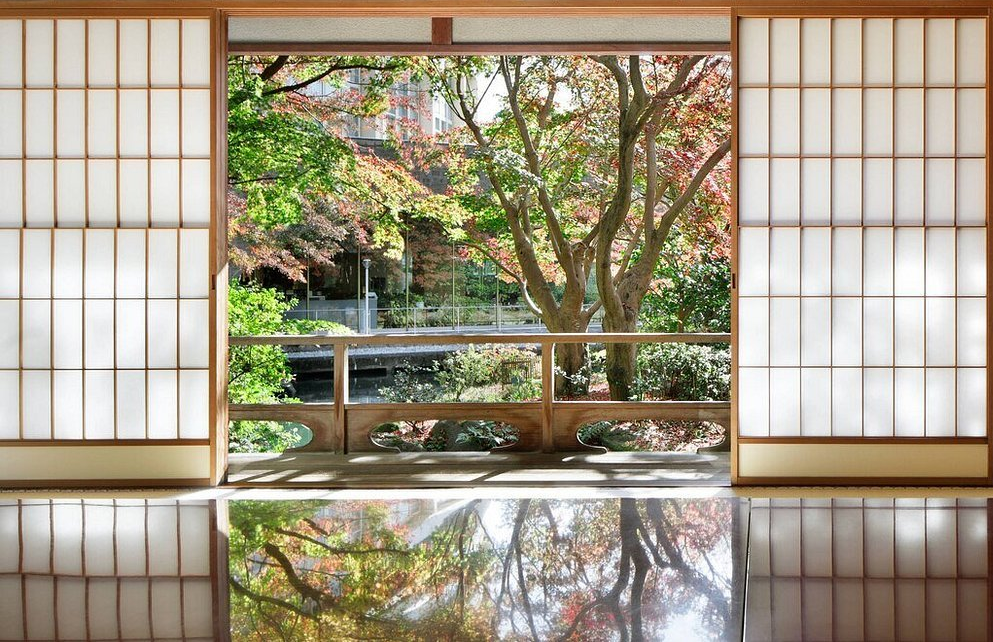
“Shoji doors don’t just divide space; they invite light in.” Proverb
When I first sat at the wheel, I wasn’t trying to make anything profound. I just needed something to help me breathe again. Life felt heavy. My mind was full. But the moment my hands met the spinning clay, something shifted. The noise faded. I was simply there, simply present.
Clay became my pause. It became the place where I could feel without analysing or rushing, where I could create without judgment. It allowed me to fail gently and begin again. There is no perfection in clay, only process. And that process became a teacher.
One of the most humbling things about clay is how it reminds you that control is an illusion. Sometimes the piece collapses. Sometimes the cracks show. And sometimes, that’s exactly what was needed. Through it all, the clay teaches patience, resilience and surrender.
I believe clay can hold our emotions the way we hold it in our hands. It gives form to the formless, voice to the unspoken. It connects us to something primal, something healing. And for anyone carrying silent weight, it can be a gentle companion on the journey back to self.
So, if you’re feeling lost, overwhelmed, or simply numb, I invite you to try. Feel the clay. Let your hands speak what your mouth cannot. You don’t need to make anything perfect.At first glance, a shoji door might seem like just a piece of traditional Japanese architecture. A simple wooden frame, filled with translucent paper. Fragile, even. But it’s more than a door. It’s a philosophy.
Shoji doesn’t shut the world out. It softens it. It allows light and shadow to pass through. It creates boundaries without building walls. It teaches us that space doesn’t have to be filled to have meaning.
Nowadays bigger is better. Closed is safer. Privacy means walls, doors, and thick barriers. But what if we could live more like a shoji? Letting in light, filtering what comes through, creating separation not out of fear, but out of intention?
Shoji doors remind us of the power of translucence, of not having to be fully seen or fully hidden. They play with the idea that something can be present, yet soft. Defined, yet gentle. Just like emotions.
Shoji teaches us about balance. In a way, we could all use a little shoji in our lives. In our homes but more importantly, in our minds and hearts. We can let things in gently, and let things go gracefully.
So, if you’re feeling overwhelmed by the hard edges of life, consider this: where could you build a shoji instead of a wall? Where could you soften? Allow to let in light?
By H.